


Introduction to wax and dandruff
Hair wax is a popular styling product that provides hold and shine. However, for some people, it can also be linked to the development of dandruff. What are the possible reasons for this, and how can you use hair wax without experiencing these drawbacks? This article explores the relationship between hair wax and dandruff to help you understand how to avoid these issues while still enjoying the benefits of this styling product.
Definition of hair wax
Hair wax is a product used to style and hold a hairstyle in place. Typically made from natural or synthetic ingredients, it comes in a variety of formulas to meet different hair care needs.
Different types of wax
- Beeswax : Natural and ideal for dry hair, it offers supple hold.
- Oil-based wax : More oily, it is often used for hairstyles requiring strong hold.
- Water-based wax : Easy to wash, it offers light to medium hold.
Dandruff explained
Dandruff consists of flakes of skin that shed from the scalp. Although it is generally not a serious condition, it can be bothersome and sometimes difficult to treat.
Common causes of dandruff
- Dry skin : The main cause of dandruff, especially in winter.
- Seborrhea: This oily skin condition causes a build-up that can lead to dandruff.
- Allergy to hair care products: Reactions to styling products, including wax, can cause dandruff.
- Fungal infections : A fungus called Malassezia can cause dandruff.
Possible Causes of Dandruff Due to Wax
Harmful ingredients in some wax products
Some hair wax products contain ingredients that aren't always well tolerated by the scalp. These ingredients can contribute to dandruff in several ways, starting with irritation and dryness of the scalp.
- Alcohols : Although some alcohols are beneficial, short-chain alcohols, such as denatured alcohol, significantly dry out the scalp, making it more prone to dandruff.
- Sulfates : Often used for their foaming qualities, sulfates can irritate the scalp, causing dryness and flaking.
- Synthetic fragrances : Although they add a pleasant scent, they can also cause allergic reactions, making the scalp sensitive and prone to dandruff.
Effects of these ingredients on the scalp
When these ingredients are applied to the scalp, they can disrupt its natural balance. This leads to irritation, excessive sebum production as a response to dryness, or inflammation. These reactions can contribute to the development of dandruff, which becomes visible when it flakes off in patches.
Allergic reactions to wax components
In addition to irritating ingredients, some people may develop allergic reactions specific to certain components found in hair waxes. These allergic reactions vary from person to person and can be a key factor in dandruff.
How to identify an allergic reaction
To determine if you are allergic to a hair wax product, look for the following signs:
- Itching : A persistent itching sensation after applying the wax may indicate an allergic reaction.
- Redness and rashes : The appearance of redness, patches, or rashes on the scalp is a common sign of an allergy.
- Irritation and swelling: If you experience irritation or swelling after using the wax, this may indicate an allergy.
It is essential to first test the wax on a small area of skin before applying it to the entire area and to consult a dermatologist if you suspect an allergy.
In conclusion, hair wax, while effective for styling, can sometimes cause dandruff. Harmful ingredients and the risk of allergic reactions require careful product selection and close attention to warning signs from the scalp.
See also: How do I use purple shampoo?
The Proper Use of Wax to Prevent Dandruff
Choice of natural wax products
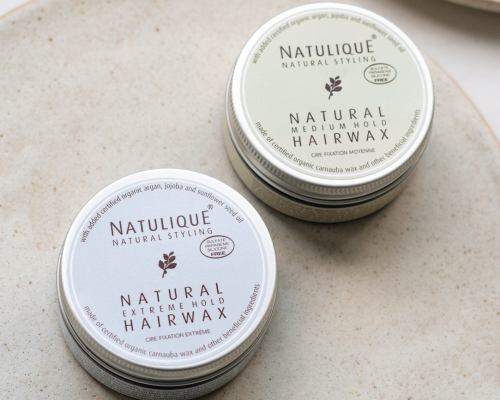
To minimize the risk of dandruff associated with using hair wax, it’s essential to choose products made with natural ingredients. Opt for waxes that contain ingredients that are gentler on the scalp. By choosing natural options, you can significantly reduce the risk of irritation and allergic reactions.
Advantages of natural wax products
- Fewer chemicals: Natural waxes generally contain fewer sulfates, harmful alcohols, and synthetic fragrances, thereby reducing the risk of irritation.
- Soothing ingredients: Ingredients such as coconut oil, aloe, and shea butter have moisturizing and soothing properties for the scalp.
- Reducing the risk of allergies: Natural waxes are often free of components that can cause allergic reactions.
Tips for using wax correctly
Applying wax correctly plays a crucial role in preventing dandruff. Following a good routine can help keep your scalp healthy while allowing you to take advantage of the wax’s styling properties.
The Importance of Thoroughly Washing Your Hair After Using Hair Wax
- Regular washing : Be sure to wash your hair regularly to remove any wax residue that may build up on your scalp. Excessive buildup can clog pores and irritate the scalp.
- Use mild shampoos: Choose gentle, sulfate-free shampoos specially formulated for sensitive scalps. This helps remove wax without drying the scalp.
- Careful rinsing: Rinse your hair thoroughly to ensure that all wax residues are removed. Rinsing incorrectly can leave residues which, combined with dirt and sebum, can encourage the development of dandruff.
Apply the wax sparingly. Using too much can not only make your hair look greasy, but also weigh down your scalp, exacerbating dryness and irritation. Opt for a balanced amount that provides the desired hold while avoiding a heavy feeling on the scalp.
Finally, before applying the wax, make sure your hair is clean and dry. This can prevent any negative interaction between the wax and impurities already present on your scalp. Tailoring your hair care routine to your hair type and your scalp’s specific sensitivities is crucial for fully enjoying the benefits of wax without experiencing associated drawbacks like dandruff.
Treatment and Prevention of Dandruff Caused by the Use of Wax
Effective products against dandruff
Using hair wax can lead to dandruff, but there are several products that can help treat and prevent this condition. It’s important to choose products specifically formulated to target dandruff without causing further imbalance to the scalp.
Specific Considerations for Using These Products
- Anti-dandruff shampoos : Look for shampoos containing active ingredients such as zinc pyrithione, ketoconazole or selenium sulfide to combat dandruff.
- Essential oils : Tea tree oil and peppermint oil have antifungal and soothing properties that can be used to treat dandruff.
- Hair masks : Use masks enriched with nourishing and soothing ingredients, such as clay or aloe, to soothe scalp irritation.
Best practices for scalp health
Taking a proactive approach to hair and scalp care is essential for preventing dandruff caused by the use of hair wax.
- Balanced hair routine : Alternate between using wax and other gentler styling products to prevent excessive product buildup on the scalp.
- Adequate hydration : Make sure your scalp stays well-hydrated. Using conditioning and moisturizing products can help maintain your scalp's balance.
- Fair trade: Choose environmentally friendly and fair-trade waxes, which often contain natural ingredients, thereby reducing exposure to potentially irritating substances.
FAQ
Is wax still harmful to the scalp?
No, wax isn't always harmful. The effects depend on the wax's ingredients and the individual's scalp sensitivity. Choosing natural waxes and performing sensitivity tests can help prevent adverse effects.
Should everyone with dandruff avoid waxing?
Not necessarily. Those who suffer from dandruff can continue to use wax, choosing products adapted to their specific needs and maintaining a careful hair routine.
How can I tell if my dandruff is caused by wax?
If you notice an increase in dandruff after using a particular product, that product may be the cause. Stopping use of the product for a while can help confirm the source of the dandruff.
Are there any home treatments for wax dandruff?
Yes, some options include rinses with diluted apple cider vinegar and coconut oil massages as gentle, soothing remedies for the scalp.
Does natural wax guarantee that there will be no dandruff?
Although natural wax reduces the risk of dandruff, it cannot guarantee that dandruff will be completely eliminated. Other factors, such as individual reactions or skin conditions, can affect the condition of the scalp.


 EN
 FR
 DE
 IT