


“`html
Introduction to Hair Wax
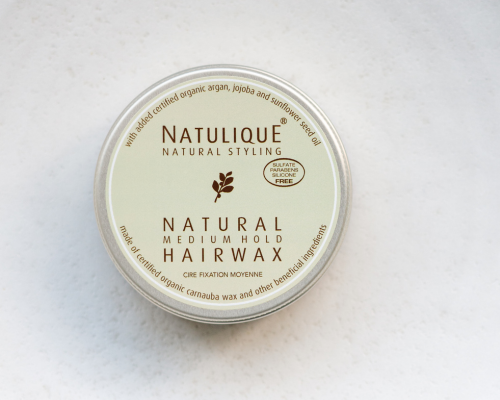
Hair wax is a popular styling product that has earned the trust of many hair styling enthusiasts. Used to tame unruly hair, shape a style, or add a professional finishing touch, hair wax stands out for its effectiveness and versatility. This article explores the different types of hair wax available and the application techniques that help achieve a natural-looking hairstyle, while also examining the potential pros and cons of using hair wax.
Definition of hair wax
Hair wax is a styling preparation based on natural or synthetic waxes. Its generally thick, malleable texture enables a variety of hairstyles to be shaped while providing flexible hold. Depending on the formula used, wax can help texturize, add volume or smooth hair.
Types of waxes available on the market
- Water-based waxes: Easy to wash, they provide light to medium hold without greasy residue.
- Oil-based polishes: Offering a stronger hold, they are ideal for styles requiring maximum control.
- Matt waxes : Perfect for a natural look, they don't make your hair look too shiny.
- High-gloss waxes : Recommended for a radiant, polished look, they are ideal for dull hair that needs a boost of shine.
General use of hair wax
Hair wax can be used to create a wide variety of styles thanks to a range of styling techniques. Applying it requires a few specific steps to maximize its effect.
Application Techniques and Popular Hairstyles
It is recommended to apply the wax to clean, dry hair to avoid a greasy look. Take a small amount of the product, rub it between your palms to warm it up, and then apply it evenly from the roots to the ends. There are various techniques for getting the most out of it:
- For a tousled look: Apply messily with fingers to create volume and textured highlights.
- For a sleek look: Comb gently after application to smooth hair and eliminate frizz.
- For defined loops : Twist the strands after application to define the curls without making them stiff.
- For short hair: Use wax to define and adjust strands for a structured, controlled style.
“`
“`html
Advantages of Hair Wax
Hair Control and Hold
Hair wax stands out for its ability to offer exceptional control and hold. It helps hold styles in place without compromising hair's natural suppleness, which is essential for a well-defined style all day long.
A Natural-Looking Hairstyle with Wax
Unlike some gels or lacquers, which can give a stiff appearance, wax ensures a natural effect. It facilitates the reshaping of hair throughout the day, ensuring a casual, well-groomed look. It is particularly suited to those seeking to enhance their hair's natural texture.
Ease of Use and Versatility
One of the main advantages of hair wax is how easy it is to use. Ideal for both beginners and experts, hair wax can be incorporated into various hair care routines and works well with different hair types and styles.
Comparison with Other Styling Products
- Hair gels : Although gels provide strong hold, they can leave a sticky residue or a stiff, cardboard-like feel, which is not the case with wax.
- Lacquers : Offer immediate hold, but lack the flexibility and matte or gloss finish that wax can provide.
- Foams : Ideal for adding volume, they don't offer the same ability to restyle your hair throughout the day as wax does.
Hair conditioning
In addition to its styling properties, hair wax offers additional conditioning, making it beneficial for dry or damaged hair. It helps moisturize and nourish hair fibers.
Moisturizing ingredients often used in hair waxes
- Beeswax : Naturally moisturizing and softening, it helps lock in moisture in the hair.
- Vegetable oils : Like argan or jojoba oil, which nourish the hair and add a natural shine.
- Natural butters : Ingredients such as shea butter not only provide moisture but also help maintain soft, flexible hair.
In conclusion, hair wax proves to be a valuable styling product for those who want a long-lasting style with a natural, nourishing look. Its ability to serve as a styling product while conditioning the hair makes it an optimal choice for many users.
“`
See also: Does wax cause dandruff?
“`html
Potential disadvantages of Hair Wax
Accumulation of Products
One of the main drawbacks of regular use of hair wax is the potential for product buildup. Because of its thick texture, wax can build up on the scalp and hair, making the hair look dull and difficult to style.
How to Prevent and Treat Wax Buildup
- Deep cleaning : Use a clarifying shampoo once a week to remove accumulated residue.
- Moderate quantity : Apply the wax in small amounts to avoid excess that can lead to buildup.
- Washing at the right speed: Be sure not to wait too long between washes to prevent wax buildup.
Fat Effect
Another common problem associated with using wax is that it can leave the hair feeling greasy. This is often caused by applying too much product or not distributing it evenly throughout the strands.
How to prevent greasy hair
- Apply to dry hair: Make sure your hair is completely dry before applying the wax to avoid a greasy look.
- Mix with other products: To reduce the greasy look, mix the wax with a small amount of gel or mousse.
- Use a water-based wax: These waxes tend to make hair less greasy than oil-based ones.
Allergy Risk
Although relatively rare, allergic reactions may occur in some people after using hair wax. These reactions may be caused by certain ingredients in the wax.
Symptoms of hair product allergies and how to avoid them
- Signs of an allergy: Itching, redness, or rashes on the scalp may be signs of an allergy.
- Test before use : Perform a skin test before introducing a new product to identify any potential hypersensitivity.
- Choose hypoallergenic waxes: Opt for formulations designed to limit allergic reactions.
Using hair wax comes with a few challenges, mainly related to improper use or personal sensitivity to the ingredients. However, by taking certain precautions, these drawbacks can be minimized. It’s crucial to understand your own hair’s needs and choose products that are best suited to your hair type and scalp.
“`
Care and Usage Tips for Hair Wax
Seasonal and climatic applications
Hair wax can be affected by weather conditions. In the summer, high temperatures can make the wax more liquid and reduce its hold. It is therefore advisable to choose a strong-hold wax during this season. In winter, be sure to use moisturizing waxes to help prevent dryness caused by cold, dry air.
Tips for different seasons
In the summer, use less wax to avoid a greasy look, and opt for products that contain UV protection to shield your hair from sun damage. In the fall and winter, wax can be a useful tool for combating humidity that causes frizz, while also adding a protective layer against the cold.
Choosing the right wax for your hair type
Choosing a wax that suits your hair type is crucial for achieving the best results. For fine hair, lightweight, water-based waxes are recommended to prevent the strands from feeling weighed down. Thick hair can benefit from oil-based waxes for better control.
Adapting wax to specific hair needs
If you have curly hair, look for waxes that contain moisturizing ingredients to maintain the elasticity and definition of your curls. For colored hair, use waxes specially formulated to preserve the color and prevent it from fading quickly.
Hair Care Routine with Wax
Frequent use of wax requires special attention to hair care to ensure that your hair stays healthy. It’s essential to incorporate appropriate hair care into your weekly routine to counteract any adverse effects that may be caused by product buildup.
Tips for making wax part of your hair routine
Alternate the use of wax with other styling products to avoid dependency and buildup in your hair. Use conditioning hair masks once or twice a week to deeply nourish your hair. Finally, establish a shampooing routine that helps remove wax, particularly by using clarifying products suited to your hair type.
FAQ
- Does wax weigh down fine hair?
- Can I use the wax every day?
- Can wax help protect hair from the sun?
- What effect does wax have on colored hair?
- Is wax suitable for people with skin allergies?
Yes, heavy waxes can weigh down fine hair. Choose a lightweight, water-based wax to avoid this effect.
Using the wax daily can cause buildup. It is recommended that you space out your applications and remember to wash your hair regularly.
Some waxes contain UV filters that can offer additional protection against sun damage.
Wax can be safe for color-treated hair if specifically formulated to protect color and include antioxidants.
Those with allergies should choose hypoallergenic waxes and perform a skin test beforehand to avoid reactions.


 EN
 FR
 DE
 IT