


Introduction to Using Purple Shampoo
Purple shampoo has become a must-have product for anyone who wants beautiful, light shades in their hair, especially if they’re blonde or gray. This type of shampoo is specifically designed to neutralize unwanted yellow tones, leaving hair shinier and healthier. By understanding how to use purple shampoo effectively, you can preserve your hair’s vibrancy and extend the time between visits to the salon.
Understanding What Purple Shampoo Is
The origins of purple shampoo
Purple shampoo has been popularized over the last few decades. Initially, this type of product was used by hairdressing professionals to maintain the vivacity of blondes. Thanks to its ability to neutralize warm tones, purple shampoo has become a household product accessible to the general public.
Why is purple shampoo so popular?
The success of purple shampoo lies in its ability to counteract the yellow tones that lightened or gray hair can develop over time due to exposure to the sun, minerals in the water, or pollution. This product not only ensures a clean, fresh look, but it also enhances the depth and shine of light hair colors. Because of its ability to keep hair color looking fresh, many people have incorporated it into their weekly hair care routine.
The benefits of purple shampoo
How does purple shampoo help blond hair?
For blonde hair, purple shampoo is a real lifesaver. One of its main benefits is its ability to eliminate the brassy or yellow tones that often appear after intense sun exposure or due to the use of low-quality hair care products. By incorporating this shampoo into a proper hair care routine, blond hair can maintain a cool, luminous tone between color treatments.
The beneficial effects of purple shampoo on grey hair
Gray hair, which is often fragile and prone to unwanted tones, also benefits from using purple shampoo. This shampoo enhances silvery highlights while neutralizing dull and yellowing tones. What’s more, it adds depth and shine to gray hair, making it an essential ally for those who want to embrace their natural beauty without compromising the quality and health of their hair.
Choosing the Right Purple Shampoo
Choosing the right purple shampoo for your hair type
Purple shampoo classifications
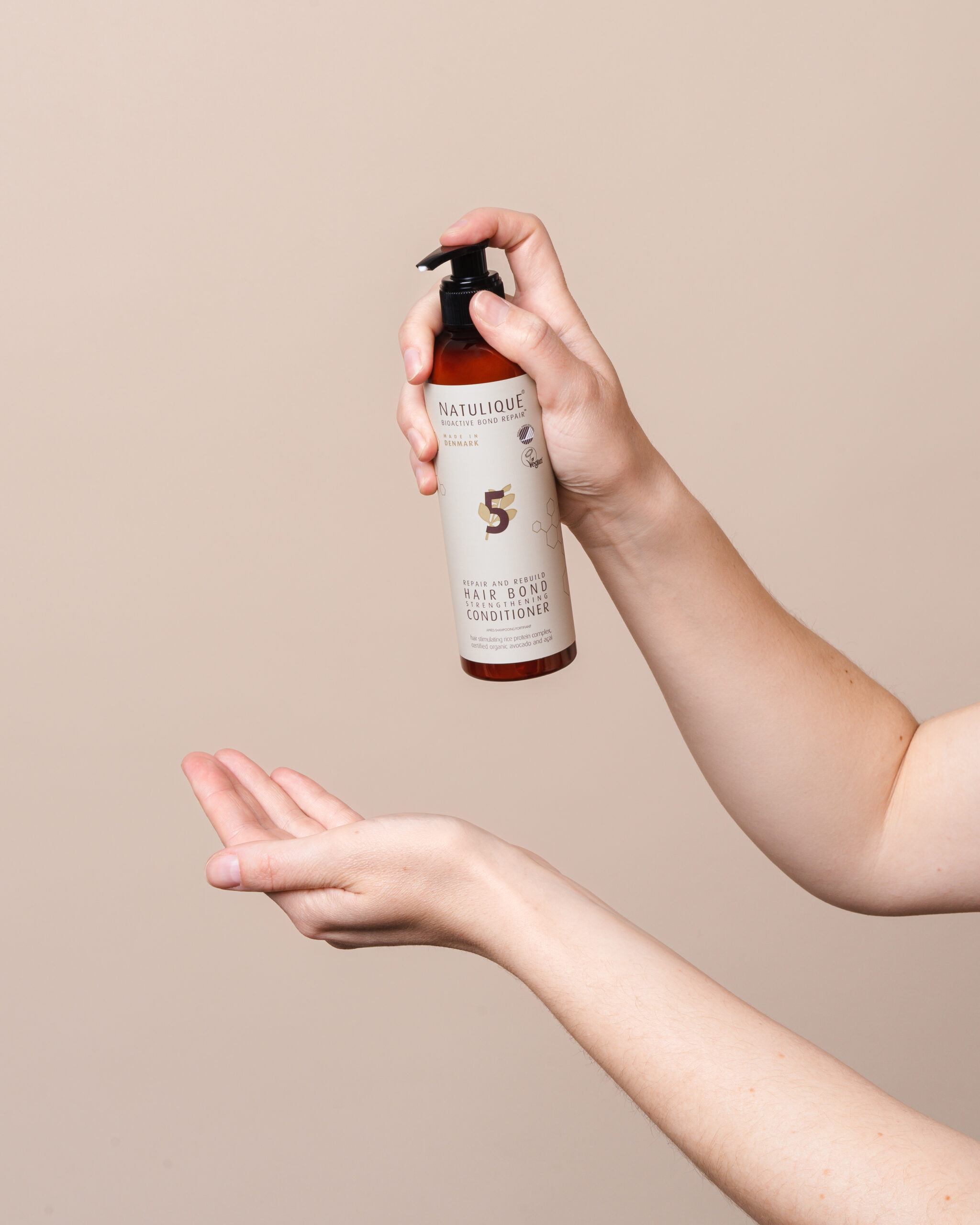
When it comes to choosing a purple shampoo, it’s essential to understand the different types available on the market. These shampoos are often formulated to address specific needs, such as hair type (fine, thick, dry, oily) or texture (straight, wavy, curly). Some products may contain additional moisturizing agents for dry hair, while others are designed to be lightweight to avoid weighing down fine hair. Knowing your hair type and its specific needs helps you choose a suitable product that will deliver optimal results.
Understanding potential drawbacks and safety
Potential side effects of purple shampoo
Although purple shampoo is widely recognized for its benefits, it can also have certain side effects. Excessive use can lead to a buildup of purple pigments, causing the hair to temporarily turn purple or grayish. In addition, some users may experience dryness or skin irritation if the product isn’t rinsed out thoroughly or if it’s too harsh for a sensitive scalp. It’s therefore important to follow the manufacturer’s instructions and perform a sensitivity test before use if you have sensitive skin.
Contraindications for Using Purple Shampoo
Purple shampoo is not recommended for all hair types. For example, uncolored hair—particularly hair with naturally warm tones—may not benefit from this product and may even appear dull. Additionally, some people may have specific sensitivities or allergies to the ingredients in these products. It is advisable to consult a hair care professional to determine whether purple shampoo is appropriate for your hair care routine, especially if you have specific concerns about the health of your hair and scalp.
“`
See also: How to stop hair loss with a spray?
How to use purple shampoo correctly
A Detailed Guide to Using Purple Shampoo
Recommended Frequency of Use
How often you use purple shampoo depends on your hair color and condition. To maintain vibrant blonde or gray hair, it’s generally recommended to use this shampoo once or twice a week. However, if your hair becomes too purple or if you notice increased dryness, it’s a good idea to use it less frequently. It’s important to find a balance so that your hair is both nourished and protected from unwanted tones. If in doubt, consulting a hair professional can help you determine the best frequency for your specific needs.
Steps to Follow When Using Purple Shampoo
For an effective application of purple shampoo, follow these simple steps:
- Prepare your hair: Before applying the purple shampoo, make sure your hair is thoroughly wet. Water helps distribute the product evenly throughout your hair.
- Apply shampoo: Apply a generous amount of purple shampoo and gently massage it into your hair from the roots to the ends. Make sure each strand is thoroughly coated to ensure even neutralization of yellow tones.
- Respect the application time: Let the shampoo sit for about 3 to 5 minutes. If this is your first time using a purple shampoo, you may want to start by leaving it on for a shorter time to avoid unwanted color. Adjust the time for subsequent applications based on the results you want.
- Rinse thoroughly: Once the processing time is up, rinse your hair thoroughly with lukewarm water until the water runs clear. Be sure to thoroughly remove all product residue to prevent pigment buildup and a dry scalp.
- Moisturize your hair: Complete your routine by applying a moisturizing conditioner or hair mask to lock in moisture and nourish your hair, as purple shampoo can have a slightly drying effect.
Additional Tips for Getting the Most Out of Purple Shampoo
To maximize the benefits of purple shampoo:
- Avoid excessive sun exposure: UV rays can accentuate yellow tones in light hair. Protect your hair by wearing a hat or using hair care products containing UV filters.
- Use a clarifying pre-shampoo: Before applying the purple shampoo, washing your hair with a clarifying shampoo can remove product buildup and prepare your hair to effectively absorb the purple pigments.
- Alternate products: Use the purple shampoo in combination with a mild shampoo and conditioner to maintain your hair's moisture balance while preventing potential drying effects.
- Watch for signs of excessive use: If your hair starts to take on lilac highlights or become dull, reduce the frequency of your purple shampoo or dilute it with your usual shampoo.
Tips for maximizing the results of purple shampoo
Optimizing every application
Using hair supplements
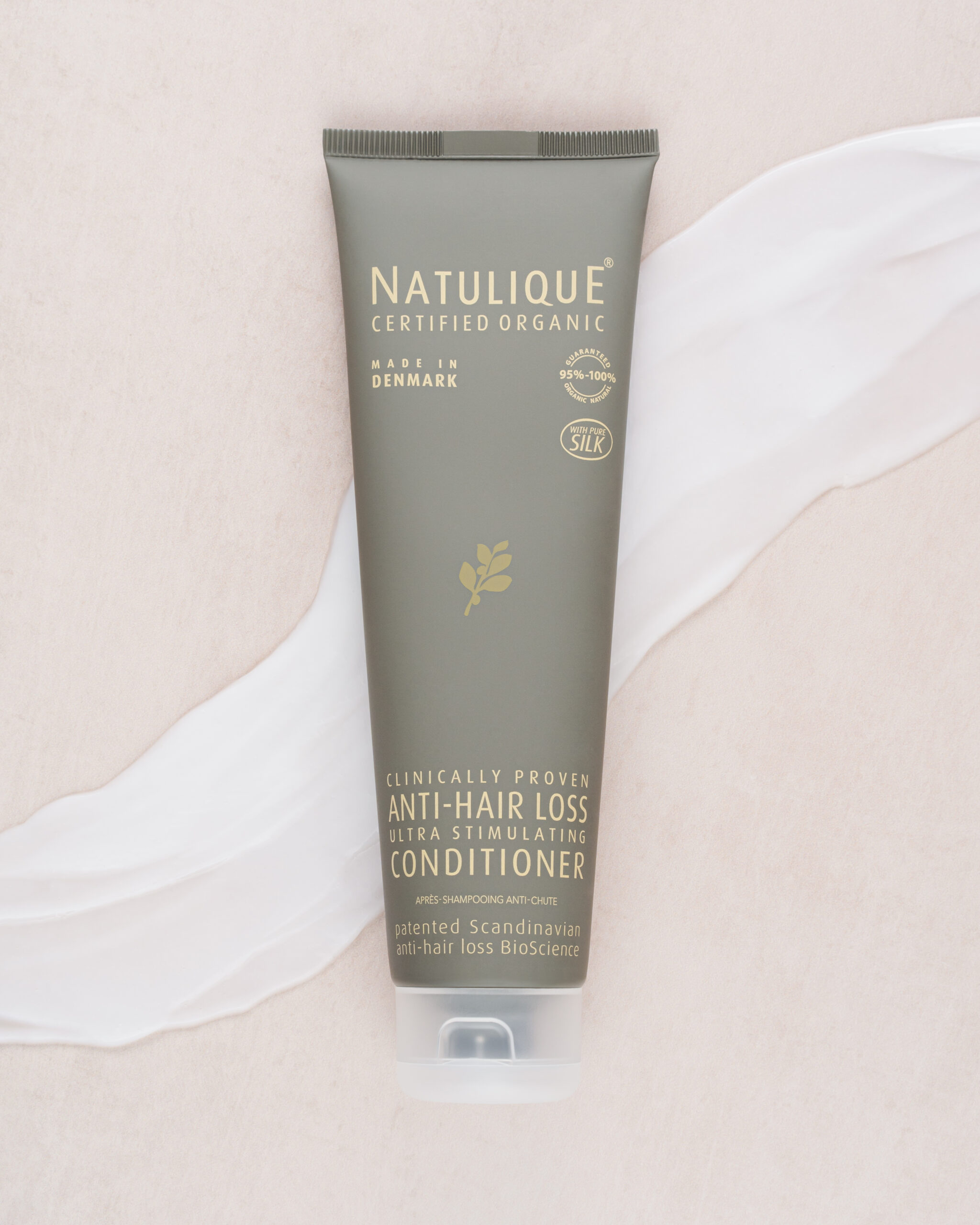
To maximize the effectiveness of purple shampoo, complement your routine with the right hair care products. Using a nourishing conditioner or a hydrating hair mask will help keep your hair healthy while protecting it from the potentially drying effects of purple shampoo. Choosing products enriched with natural oils, such as argan or jojoba, will help maintain your hair’s moisture and suppleness.
Precautions During Application
The effectiveness of purple shampoo can be maximized by using specific techniques. For example, massaging in circular motions ensures even distribution and stimulates blood circulation in the scalp, which can improve overall hair health. Another key factor is balancing the processing time and frequency of use to avoid overly intense coloring and preserve hair health.
Frequently asked questions (FAQ)
Can violet shampoo be used on natural hair?
Purple shampoo is primarily designed for blonde, gray, or lightened hair to neutralize yellow tones. On natural hair with warm tones, it can dull the shine. For best results, it’s best to use this shampoo on colored or bleached hair.
Is purple shampoo suitable for curly hair?
Yes, purple shampoo can be used on curly hair, but it's crucial to choose a suitable product with moisturizing agents to avoid drying out curls. A complementary strengthening and moisturizing treatment is recommended to preserve curly texture.
Can I use purple shampoo every day?
It is not recommended to use purple shampoo every day. This could result in an excessive purple tint and potentially dry out your hair. Limit its use to once or twice a week, depending on your specific needs.
Why did my hair turn blue after using purple shampoo?
Excessive use or leaving the product on for too long can cause purple or blue tones to appear. To avoid this, always follow the instructions for use and adjust the frequency or application time based on how your hair reacts.
How to treat hair sensitized by purple shampoo?
If your hair seems sensitized, use a restorative treatment—such as a protein-rich hair mask or natural oils—to revitalize and deeply moisturize it. Reducing how often you use purple shampoo can also help.
Conclusion
Mastering the art of using purple shampoo can significantly improve the appearance and health of blonde or gray hair. By choosing the right product, following best practices for application, and paying attention to your hair’s specific needs, this product can become an essential part of your hair care routine. Pay close attention to each step and adjust based on the results you see. Maintaining a beautiful, vibrant color is within reach with a little care and attention.


 EN
 FR
 DE
 IT