


Understanding the dangers of chemical colorants
Chemical hair dyes are commonly used to change hair color. However, it is essential to understand the risks associated with their use, as they contain harmful ingredients that can have adverse effects on both the hair and the scalp and, in some cases, may even be toxic.
What are the dangers of chemical hair dyes?
Chemical colorants, by their very nature, contain a variety of chemicals that act to change hair color. Some of these chemicals can be extremely harmful to the hair and scalp.
Parabens : Parabens are often used as preservatives in chemical hair dyes. However, studies have shown that they can disrupt the endocrine system and have been linked to health problems such as breast cancer.
PPD (para-phenylenediamine) : PPD is a common ingredient in permanent hair dyes. It is known to cause skin irritation and allergic reactions. In severe cases, it can also cause respiratory problems.
Resorcinol : resorcinol is another common ingredient, used to help develop color in the hair-dyeing process. However, it has been linked to skin problems such as rashes and redness, and can also affect the endocrine system.
Effects on hair and scalp
Not only can these chemicals cause irritation and allergic reactions, but they can also have a direct impact on the hair and scalp. For example, they can damage keratin, a protein essential to hair health. They can also cause a loss of the hair’s natural elasticity, which can make hair more susceptible to damage and breakage.
Chemical dyes: Impact on health and the environment
Long-term health risks
In addition to the immediate effects on the hair and scalp, there are concerns about the long-term health effects these chemicals may have. For example, it is possible that regular exposure to these chemicals could lead to a buildup of toxic substances in the body. Furthermore, some studies have suggested a potential link between the use of chemical hair dyes and an increased risk of certain types of cancer, although research in this area is still ongoing.
Environmental consequences of chemical colorants
Beyond the personal health impacts, there are also environmental consequences associated with the use of chemical hair dyes. The manufacturing process for these products can result in the production of chemical waste, which must be properly disposed of to prevent contamination of water and other natural resources. Furthermore, the use of hazardous chemicals in these products can also contribute to water pollution when the products are rinsed out.
Safer alternatives to chemical colorants
Given the potential dangers associated with chemical hair dyes, it makes sense to consider safer alternatives. Fortunately, there are now a variety of options available for those looking to avoid exposure to these potentially harmful chemicals.
Natural colorations: a viable alternative
Natural hair dyes, unlike their chemical counterparts, use ingredients derived from natural sources to change hair color. These products are generally free of the toxic ingredients commonly found in chemical hair dyes, making them safer for both the user and the environment.
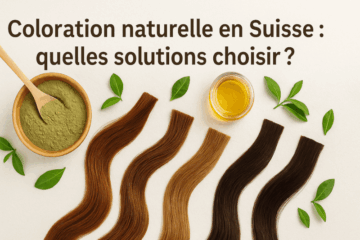
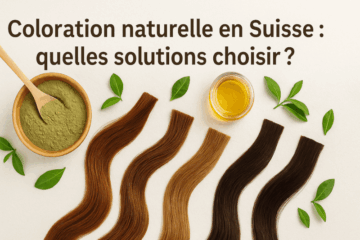
Henna : Henna is one of the most commonly used ingredients in natural hair dyes. It contains components that help strengthen hair, prevent damage, and stimulate hair growth. In addition, it can be used to achieve a variety of colors, ranging from red to brown, making it very versatile.
Indigo : Indigo is often combined with henna to achieve a wider range of shades, from dark brown to black. Like henna, indigo offers benefits for hair health, including stimulating hair growth and preventing damage.
The limits of natural colorations
Despite the many benefits of natural hair dyes, it’s important to note that they are not without their drawbacks. For example, colors achieved with natural dyes may not be as vibrant or long-lasting as those achieved with chemical dyes. Additionally, they may take longer to apply and may require multiple applications to achieve the desired result.
Choosing eco-responsible brands
Another way to minimize the impact of chemical hair dyes is to choose products from eco-friendly brands. These companies are committed to reducing their environmental impact by using safe, eco-friendly ingredients, minimizing the use of harmful chemicals, and ensuring responsible waste disposal.
Tips for choosing an eco-responsible brand
Here are some tips for choosing an eco-responsible brand:
- Search for environmental certifications : Many independent organizations award certifications to products that meet specific environmental standards. Look for these certifications on the product packaging or on the company's website.
- Avoid harmful ingredients: Find out which ingredients may be harmful and make sure they are not listed in the product's ingredients list.
- Choose transparent companies: Responsible companies will be transparent about their environmental practices and the list of ingredients in their products. Take the time to research and ask questions if you need to.
Conclusion
Awareness of the potential dangers of chemical hair dyes highlights the importance of making informed decisions about hair care. Fortunately, with the variety of safe and eco-friendly options available today, it’s easier than ever to avoid harmful ingredients while still achieving the hair color results you want.
What are the health risks of chemical colorants?
In addition to the risks to the hair and scalp, repeated and prolonged exposure to chemical hair dyes can also have consequences for overall health. In particular, some studies have shown a potential link between the use of these products and the development of long-term health problems, such as severe allergic reactions, respiratory disorders, and even certain types of cancer.
Severe allergic reactions
Many chemicals used in hair dyes are known allergens. They can cause allergic reactions in some people, ranging from mild skin irritation to more severe reactions such as chemical burns, blisters, and eczema. In addition, a number of these substances can also cause an allergic reaction called contact dermatitis, which is characterized by redness, itching, and swelling of the skin.
Para-phenylenediamine (PPD), for example, is a substance commonly used in permanent hair dyes and is widely recognized as one of the main allergens found in these products. If an allergic reaction occurs, it is recommended that you stop using the product immediately and consult a doctor.
Respiratory problems
Chemical hair dyes can also contribute to causing or exacerbating respiratory health problems. The fumes and vapors released by these products often contain volatile substances that irritate the respiratory tract. Inhaling these fumes can cause symptoms ranging from mild respiratory discomfort to more serious conditions such as asthma or other chronic respiratory diseases. Therefore, proper ventilation is essential when using these products to disperse fumes and reduce exposure to these harmful substances.
Cancerogenic potential of chemical hair dyes
A major concern regarding the use of chemical hair dyes is their carcinogenic potential. Some studies have suggested a link between long-term use of these products and an increased risk of certain types of cancer, including bladder cancer and non-Hodgkin lymphoma. However, the scientific literature on this topic remains controversial, and further research is needed to confirm these hypotheses.
The environmental impact of chemical colorants
Chemical pollution
Chemical hair dyes are not only harmful to users; they also have an impact on the environment. The chemicals they contain, once rinsed off, can end up in the sewer system and contaminate surface and groundwater. Furthermore, the manufacture of these products generates chemical waste that must be properly treated to prevent it from being released into the environment.
More environmentally friendly alternatives
In response to these issues, more environmentally friendly alternatives are beginning to appear on the market. More and more brands are offering hair dyes made from natural and organic ingredients. These products are not only gentler on the hair and scalp, but they also have a reduced environmental impact. Looking for an organic certification on the product packaging can help you identify these more eco-friendly alternatives.
In conclusion, while chemical hair dyes allow for a wide variety of shades and colors, they can pose several risks, both to the user’s health and to the
Why choose Natulique Suisse for top-of-the-range natural hair color?
When it comes to choosing an organic hair dye, your decision should be based on several key criteria. The market is flooded with natural hair care products that claim to offer incredible benefits, but only a few are genuine and worth your time and money. Today, we’re going to discuss why Natulique Switzerland is a reliable and renowned benchmark for natural hair color.
Criteria for selecting a reliable organic hair color
Firstly, it is important to note that the key to satisfaction lies in a authentic experience. The quality of the customer experience at the salon or at home is something that Natulique Switzerland never compromises.
Customer reviews and the brand’s reputation also play a crucial role. Natulique’s natural hair care products, such as their ammonia-free hair colors and organic hair care products, have received excellent reviews from users. In addition, the brand ensures scalp safety, and its products are readily available in Switzerland.
Mistakes to avoid
Choosing so-called “organic” hair color without certification or relying solely on marketing photos is a common mistake. At Natulique Switzerland, we believe in the importance of providing personalized service and high-quality services to our clients.
Signs of high-end organic coloring
The top-of-the-range organic hair color offered by Natulique Switzerland comes with a personalized hair analysis. The products are certified and safe for your health. In addition, the brand offers personalized service for a premium salon experience.
For more information, please contact the team at Natulique Switzerland directly via their website https://natuliquesuisse.ch/, Facebook @NatuliqueSuisse or Instagram @natulique.ch
FAQ
What is organic hair color?
Organic hair dye is a type of hair color that does not use harsh chemicals and is gentler on our hair and scalp.
What makes Natulique Suisse natural hair products different?
Natulique Suisse's natural hair products are created with an enriched formula beneficial to hair health and have proven their effectiveness in numerous tests and customer reviews.
Why choose Natulique Suisse for organic hair color?
Choosing Natulique Suisse means putting the health of your hair and scalp in expert hands. We use ammonia-free colorants that are gentle on your hair while delivering vibrant color results.
What are the benefits of natural hair coloring?
Not only is natural coloring better for your hair's health, it also guarantees longer-lasting results and a more natural look.
Where can I find Natulique Suisse products?
You can find Natulique Suisse products on their website https://natuliquesuisse.ch/ and at professional hairdressing partners in Switzerland.
In conclusion, go natural with Natulique Switzerland is a decision you won’t regret. Not only will you be promoting the health of your hair, but you’ll also enjoy a premium coloring experience that brings out the best in your style. Discover Natulique Suisse products today and feel the difference. You can contact us for personalized assistance at any time.


 EN
EN  FR
FR  DE
DE  IT
IT 