


“`html
Introduction to Shampoos for Curly or Frizzy Hair
Curly and frizzy hair has a unique structure and requires special care to maintain its health and beauty. Choosing the right shampoo is essential, as it can significantly influence the appearance and daily management of these hair types. In this article, we'll look at the specific characteristics of this type of hair and the importance of choosing the right shampoo to maximize its potential.
Overview of hair types
Curly hair
- Characterized by well-defined loops.
- Sensitive to frizz and often prone to dryness.
- Need special attention in terms of hydration.
Frizzy hair
- Tight, dense appearance with Z-shaped curls.
- Naturally dry due to the difficulty of sebum to glide along the hair.
- They are often delicate and require gentle, moisturizing care.
The importance of choosing the right shampoo for your hair type
Understanding and choosing the right shampoo is essential for anyone with curly or frizzy hair. Using the wrong formulation can lead to problems such as breakage, frizz or loss of shine. This is due to the specific structure and needs of these hair types, which require a regular supply of the moisture and nutrients needed to maintain elasticity and vitality.
The Specificity of Curly and Frizzy Hair
Understanding the structure of curly and frizzy hair
Porosity and density of curly and frizzy hair
- Porosity determines hair's ability to absorb and retain moisture.
- Frizzy hair often has a high porosity, which means it can absorb moisture quickly but has difficulty retaining it.
- Density influences hair volume and overall thickness, thus impacting the amount of product required.
The specific needs of curly and frizzy hair
Hydration needs
- Curly or frizzy hair is naturally dry and benefits greatly from extra moisture.
- Opting for shampoos containing humectants and nourishing natural ingredients like shea butter or avocado oil can help retain moisture.
Protein requirements
- Proteins strengthen hair structure and help prevent breakage.
- Shampoos enriched with proteins, such as keratin or silk proteins, can be useful for restoring hair strength.
“`
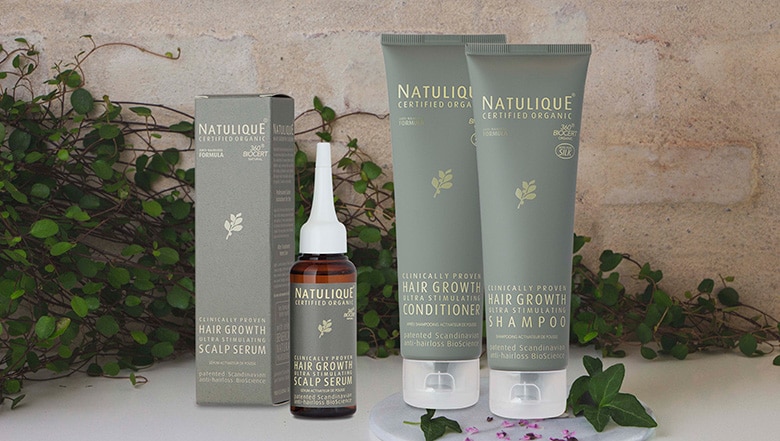
How to choose the right shampoo for curly or frizzy hair?
Selection criteria
For curly or frizzy hair, shampoo selection should not be taken lightly. It involves a thorough understanding of various criteria that determine the best product for your hair needs.
Shampoo pH
- A pH-balanced shampoo (4.5 - 5.5) is essential to keep the hair cuticle intact and promote moisture retention.
- Too high a pH can lead to excessive cuticle opening, leaving hair dry and vulnerable to breakage.
Ingredients to choose and avoid
- Preferred ingredients : Opt for shampoos that include natural oils such as jojoba, coconut or argan, and plant extracts known for their moisturizing and nourishing properties.
- Avoid: Sulfates, silicones and parabens can strip hair of its natural oils, contributing to dryness and frizz.
Types of shampoo to use
Depending on your hair's specific needs, certain types of shampoo may be more suitable. Identifying your particular needs will help you choose between a moisturizing or protein shampoo.
Moisturizing shampoo
- Ideal for dry hair, this type of shampoo is formulated to provide intense hydration.
- Ingredients like panthenol, glycerine and natural oils often feature to lock in moisture and revitalize curls.
- Using these shampoos reduces frizz and makes hair more supple and malleable.
Protein shampoo
- Hair showing signs of damage, such as breakage or elastic texture, can benefit from proteins to strengthen the hair fiber.
- By incorporating ingredients such as silk, wheat and keratin proteins, these shampoos help repair and strengthen hair.
- However, it's essential not to overdo protein treatments, as too much can lead to stiff hair, doing more harm than good.
In conclusion, choosing the right shampoo for curly and frizzy hair is determined by various factors, including pH, ingredients and the type of care required. Alternating between moisturizing and strengthening, the ideal routine maintains hair's health and beauty. At the same time, adopting a complementary hair routine including nourishing conditioners and treatments will ensure healthy, radiant curls.
See also: What hair care routine should you adopt to combat hair loss?
Common mistakes to avoid with curly or frizzy hair
Caring for curly or frizzy hair requires a thorough understanding of its unique nature, and the avoidance of certain common mistakes that can damage its health and appearance. Here are some common mistakes to avoid in order to maximize the effectiveness of hair care.
Use of unsuitable products
Overly aggressive products
- Using shampoos containing sulfates or harsh detergents can strip hair of its natural oils, leading to excessive dryness and frizz.
- Frizzy, curly hair needs gentle products that don't strip away the sebum essential for hydration.
No thermal protection
- Using heated tools such as straightening irons without thermal protection can damage the hair cuticle, making curls weak and dull.
- It's crucial to apply a heat protection spray before any thermal process to preserve hair health.
Incorrect washing technique
Washing too often
- Washing frizzy or curly hair too often can deprive the scalp and lengths of their natural oils, essential for moisturizing.
- Limiting washing to once a week or less helps maintain a healthy lipid balance.
Incorrect drying methods
- Using a cotton towel can cause excessive friction, leading to breakage and frizz.
- We recommend drying hair using a cotton T-shirt or microfiber towel for gentle drying.
Ignore Regular Pruning
Split ends and hair damage can accumulate if hair is not trimmed regularly. For curly or frizzy hair, we recommend trimming the ends every 6 to 8 weeks to eliminate damage and promote healthy growth.
No Moisturizing Routine
Lack of moisturizing creams or butters
- Curly and frizzy hair requires regular moisturizing to maintain its suppleness.
- The application of moisturizers or hair butters, such as shea butter, is essential to seal in moisture after the application of a moisturizer.
Steam omission
- Using steam opens the cuticles so that moisturizing products can penetrate deeper into the hair fiber.
- Steam treatment once a month can greatly improve moisture absorption.
Underestimating the Importance of Scalp Massages
Regular scalp massage stimulates blood circulation and promotes hair growth. We recommend massaging the scalp when applying shampoo or nourishing oils to maximize hair benefits.
Avoiding these mistakes can make a big difference to the health and appearance of curly or frizzy hair. A thorough understanding of needs and the right treatments guarantee healthy, radiant, full-of-life hair.

Tips and tricks to enhance your curly or frizzy hair
Adopt an Adapted Hair Routine
Washing Routine
- Use sulfate-free shampoos to preserve hair's natural moisture.
- Alternate between a moisturizing and a clarifying shampoo once a month to eliminate product build-up.
Regular Deep Care
- Incorporate hair masks enriched with nourishing ingredients, such as coconut oil, to strengthen and deeply moisturize hair.
- Consider occasional protein treatments, tailored to your needs, to fortify the hair fiber.
Gently Style Your Hair
Detangling Technique
- Detangle your hair when it's damp and saturated with conditioner to avoid breakage.
- Use a wide-tooth comb or your fingers to gently detangle, from ends to roots.
Protective Styles
- Adopt protective hairstyles, such as braids or vanilles, to minimize daily handling and limit damage.
- Make sure hairstyles are not too tight to avoid pulling on the scalp.
Frequently Asked Questions (FAQ)
How do I know if my shampoo is right for my curly or frizzy hair?
Check the ingredients list to make sure it doesn't contain sulfates, silicones or parabens, and look for natural moisturizing ingredients.
How often should I wash my curly or frizzy hair?
We recommend washing your hair once a week or less, depending on your specific needs, to maintain an optimal moisture balance.
What ingredients should I avoid in my hair care products?
Avoid products containing sulfates, silicones, drying alcohol and parabens, which can strip hair of its natural oils.
What type of deep conditioner is best for my hair?
A moisturizing mask containing natural oils such as coconut oil or shea butter is ideal for maintaining hydration.
Should I always use a conditioner after every wash?
Yes, it's important to use conditioner to detangle, moisturize and nourish hair after each wash.
Conclusion
Choosing the right shampoo and adopting an appropriate hair routine are essential for the health of curly and frizzy hair. By avoiding common mistakes and choosing the right products and techniques, you can enhance your curls, ensure their hydration and improve their overall appearance. With the right care, your hair can be a source of pride and reflect your unique, dynamic personality.


 EN
EN  FR
FR  DE
DE  IT
IT 