


Introduction to Using Purple Shampoo
In recent years, purple shampoo has become a must-have for anyone who wants to maintain their blonde, gray, or white hair color. When used correctly, this product can neutralize unwanted yellow tones, restoring shine and radiance to the hair. But how do you get the most out of a purple shampoo? This article provides a step-by-step guide to help you achieve that.
What is purple shampoo?
Composition of violet shampoo
Violet shampoo contains violet pigments that act as neutralizers on yellow and golden highlights that can occur in blond, gray or white hair. These pigments help maintain radiant color while protecting the hair fiber, thanks to ingredients often enriched with moisturizing and protective agents.
Why do we use purple shampoo?
Purple shampoo is primarily used for its neutralizing properties. Over time, due to various factors such as pollution, sun exposure, or unsuitable hair care products, hair can lose its luster and take on yellowish or golden tones. Purple shampoo helps correct these unwanted tones and maintain a much purer, more luminous color.
Who can use purple shampoo?
Purple shampoo for blond hair
People with blonde hair—whether natural or dyed—can enjoy the benefits of purple shampoo. By neutralizing yellow tones, this shampoo helps maintain a cool, luminous blonde shade, which is often sought after in coloring and bleaching treatments.
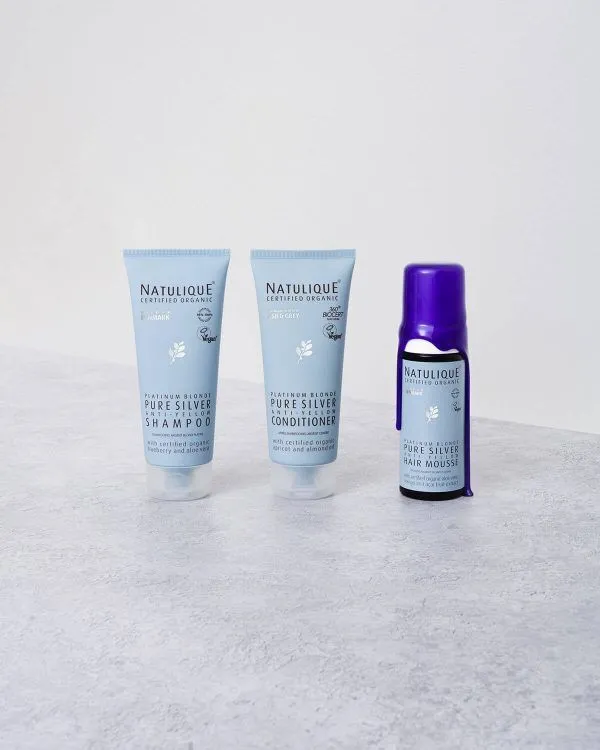
Purple shampoo for gray or white hair
Gray or white hair is just as likely to turn yellow due to environmental damage. Using a purple shampoo helps this hair regain a more natural and vibrant hue. The purple pigments in this type of shampoo help eliminate dull tones, keeping gray or white hair looking crisp and shiny.
How to use purple shampoo to optimize results
Preparing the Hair for the Application of Purple Shampoo
Assessment of Hair Condition
Before using a purple shampoo, it’s crucial to assess the condition of your hair. Dry or damaged hair may require special care to avoid further damage. Therefore, it is recommended that you use a moisturizing hair mask the week before using the purple shampoo to ensure that your hair is well-nourished and able to withstand the treatment.
Initial wash with normal shampoo
Before using the purple shampoo, start by washing your hair with your usual shampoo. This initial wash removes dirt, product buildup, and excess oil from your scalp and hair. This step ensures that the purple pigments in the shampoo can work effectively on a clean scalp, allowing for better penetration and optimal results.
Applying purple shampoo
Quantity to be applied
The amount of violet shampoo to use depends on the length and density of your hair. In general, an amount equivalent to a coin for short hair and a slightly larger quantity for long hair is sufficient. It's essential not to overuse the product, as overuse can result in unnatural purple hues.
Application techniques
To apply purple shampoo, start by distributing the product evenly in your hands. Then apply to wet hair, starting at the roots and working your way down to the ends. Be sure to massage the product into the scalp to stimulate blood circulation and enable better pigment absorption. Even distribution is crucial to avoid uneven areas of color.
Rinse and pause times for violet shampoo
Ideal duration for a break
The processing time for purple shampoo depends mainly on the manufacturer’s instructions and the intensity of the yellow tones you want to neutralize. As a general rule, 2 to 5 minutes is sufficient for hair with slight yellow tones. If your hair has more pronounced yellow tones, you can extend the processing time to a maximum of 10 minutes. However, it’s advisable to test the product on a small strand first to avoid over-coloring.
Effective rinsing methods
Once the processing time is up, rinse your hair thoroughly with lukewarm water. Be sure to completely remove all shampoo residue to prevent any buildup of purple pigments. Rinse thoroughly to prevent purple tones from appearing if the product isn’t completely removed. After rinsing, you can apply a moisturizing conditioner to counteract any drying effects caused by the purple shampoo.
Precautions to Take When Using Purple Shampoo
Risks associated with incorrect use
Excessive use
Using purple shampoo too often can lead to an excess of pigment and cause unwanted purple tones. It’s recommended that you use this type of shampoo no more than once a week, or even once every two weeks, depending on your hair’s needs. Excessive use can also dry out your hair, so you need to find the right balance to avoid this problem.
Use on unsuitable hair
Purple shampoo is specially formulated for blonde, gray, or white hair. Using this product on hair of a different color can lead to unpredictable and often undesirable results. The purple pigments may settle unevenly, causing patchy coloring. Therefore, always make sure you understand your hair type before using a purple shampoo.
See also: How can I treat my sensitive scalp with natural products?
Precautions to Take When Using Purple Shampoo
Risks associated with incorrect use
Excessive use
Using purple shampoo too often can lead to an excess of pigment and cause unwanted purple tones. It’s recommended that you use this type of shampoo no more than once a week, or even once every two weeks, depending on your hair’s needs. Excessive use can also dry out your hair, so you need to find the right balance to avoid this problem.
Use on unsuitable hair
Purple shampoo is specially formulated for blonde, gray, or white hair. Using this product on hair of a different color can lead to unpredictable and often undesirable results. The purple pigments may settle unevenly, causing patchy coloring. Therefore, always make sure you understand your hair type before using a purple shampoo.
Compatibility with Other Hair Care Products
Moisturizing products
To maximize the benefits of purple shampoo while minimizing its drying effects, it’s recommended to use complementary moisturizing products such as hair masks or nourishing conditioners. Be sure to choose products specifically formulated for colored or sensitive hair, containing ingredients such as shea butter, argan oil, or keratin. These ingredients will help maintain your hair’s moisture and health, thereby counteracting the potentially drying effects of purple shampoo.
Styling and finishing products
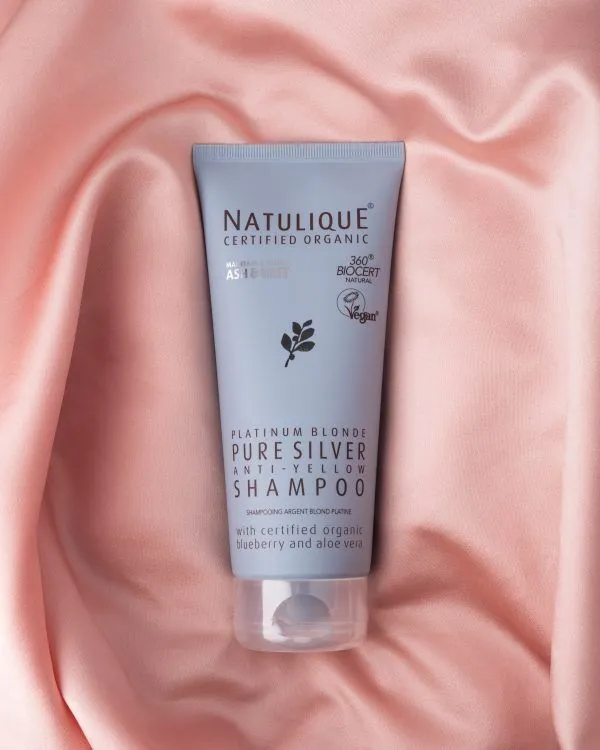
When using styling products, such as hairsprays, mousses, or serums, make sure they don’t contain ingredients that could dull your hair color. Choose products that are free of sulfates, parabens, and silicones. These ingredients can interact negatively with the pigments in purple shampoo, thereby reducing its effectiveness. Additionally, styling products containing UV filters can help protect your hair color from the sun’s rays, extending the longevity of the results achieved with purple shampoo.
Frequency and timing of use
Adapt to your hair routine
It’s crucial to incorporate purple shampoo into your hair care routine wisely. Depending on your hair color and condition, you may only need to use this shampoo once every two weeks. Using it too often could not only damage your hair but also result in unwanted purple tones. Pay attention to the condition of your hair after each use and adjust the frequency accordingly.
Key Moments for Implementation
To maximize the effects of purple shampoo, choose strategic times to use it. For example, before special events or after prolonged sun exposure, which can accentuate yellow tones. With careful planning, you’ll be able to enjoy radiant hair exactly when you need it most. During times when your hair is more prone to yellowing—such as in the summer or after a recent color treatment—you may want to use purple shampoo more frequently, but always in moderation.
Alternatives and complements to purple shampoo
Pigment care and masks
Hair treatments and masks containing purple pigments are an excellent alternative or complement to purple shampoo. In addition to neutralizing yellow tones, these products provide intense hydration and essential nutrients to your hair. Used once a week, alternating with purple shampoo, they can help maintain the overall health of your hair while preserving its vibrant color. Furthermore, these masks can often be left on longer than purple shampoo, allowing for a deeper and more nourishing treatment.
Hair serums and oils
Hair serums and oils specially formulated for blond, gray or white hair can provide protection and hydration.
Frequency and timing of use
Adapt to your hair routine
It’s crucial to incorporate purple shampoo into your hair care routine wisely. Depending on your hair color and condition, you may only need to use this shampoo once every two weeks. Using it too often could not only damage your hair but also result in unwanted purple tones. Pay attention to the condition of your hair after each use and adjust the frequency accordingly.
Key Moments for Implementation
To maximize the effects of purple shampoo, choose strategic times to use it. For example, before special events or after prolonged sun exposure, which can accentuate yellow tones. With careful planning, you’ll be able to enjoy radiant hair exactly when you need it most. During times when your hair is more prone to yellowing—such as in the summer or after a recent color treatment—you may want to use purple shampoo more frequently, but always in moderation.
Alternatives and complements to purple shampoo
Pigment care and masks
Hair treatments and masks containing purple pigments are an excellent alternative or complement to purple shampoo. In addition to neutralizing yellow tones, these products provide intense hydration and essential nutrients to your hair. Used once a week, alternating with purple shampoo, they can help maintain the overall health of your hair while preserving its vibrant color. Furthermore, these masks can often be left on longer than purple shampoo, allowing for a deeper and more nourishing treatment.
Hair serums and oils
Hair serums and oils specially formulated for blonde, gray, or white hair can provide extra protection and hydration. Enriched with beneficial ingredients such as argan oil, keratin, or jojoba oil, these products help lock in moisture and protect hair from external damage. Use them in conjunction with purple shampoo to maintain your hair’s shine and health over the long term.
FAQ
Can purple shampoo be used on dark hair?
No, violet shampoo is specially formulated for blond, gray or white hair. Its use on brown hair could produce unpredictable and often undesirable results.
What's the difference between a purple shampoo and a purple toner?
A purple shampoo is used for regular, gentle maintenance, while a purple toner is a more intensive treatment, often used in salons to neutralize yellow tones immediately after coloring.
Can I use purple shampoo every day?
It is not recommended to use purple shampoo every day, as this could dry out your hair and cause unwanted purple tones. It is recommended to use it once a week or once every two weeks.
Should I use a conditioner after the purple shampoo?
Yes, using a moisturizing conditioner after washing your hair with purple shampoo helps restore moisture and keep your hair healthy.
How long should I leave the purple shampoo on my hair?
The recommended processing time is generally 2 to 5 minutes. For more intense highlights, you can leave the product on for up to 10 minutes, but it’s always a good idea to test it on a small strand first.


 EN
 FR
 DE
 IT