


Introduction
Excessive use of hair colorations has become a common practice in modern society. More and more people are opting for these chemicals to change the color of their hair as they see fit. However, this habit can have harmful consequences for hair and scalp health.
Impact of coloring on hair health
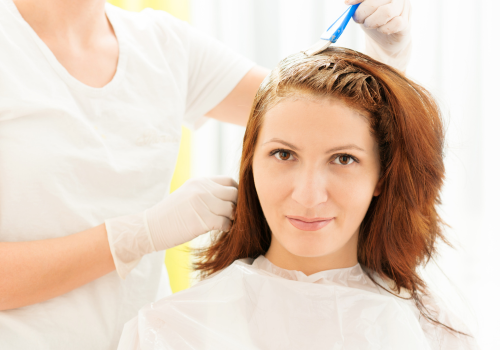
Hair dyes often contain harsh chemicals such as ammonia and hydrogen peroxide, which can damage the hair’s natural structure. These chemicals can cause the hair to become dry and brittle, and may even lead to premature hair loss. In addition, excessive use of hair dyes can cause scalp irritation, itching, and skin allergies.
The importance of caring for your natural hair
Taking care of your natural hair is essential to maintaining its health and vitality. Untreated hair is generally stronger, shinier and less prone to damage. By stopping coloring your hair, you allow it to return to its natural state and recover from the damage caused by chemicals. What's more, by opting for natural, gentle hair care products, we encourage hair and scalp regeneration.
Understanding the risks of hair coloring
1. Harmful ingredients in hair colorants
Hair dyes often contain harsh chemicals such as ammonia, hydrogen peroxide, sulfates, and parabens. These chemicals are used to open the hair cuticles and allow the dye pigments to penetrate the hair shaft. However, they can also damage the hair’s natural structure and have adverse effects on scalp health.
2. Health risks associated with excessive coloring
Excessive use of hair dye can lead to various health problems. First of all, the chemicals found in holorants can irritate the scalp, The result is itching, redness and irritation. What's more, some people can develop skin allergies in reaction to the ingredients in colorants, which may require medical treatment.
Excessive hair coloring can also increase the risk of hair loss. Aggressive chemicals can weaken hair follicles, making hair more prone to breakage and loss. Hair loss can be temporary or permanent, depending on the severity of the damage caused.
3. Environmental impact of hair colorants
In addition to the risks to human health, hair dyes also have a negative impact on the environment. The chemicals in hair dyes can contaminate water and soil when they are rinsed off during the dyeing process or when hair wash after dyeing. This pollution can have harmful effects on water quality and the environment, as well as on biodiversity.
Taking care of natural hair
1. Natural hair care routine
It’s essential to adopt a natural hair care routine to maintain the health and beauty of our hair. Hydration and nutrition play a crucial role in this routine. Be sure to use natural and organic hair care products that are free of harsh chemicals such as sulfates, parabens, and silicones. Choose gentle shampoos and conditioners made with natural ingredients like coconut oil, aloe vera, and essential oils.
In addition, regularly moisturizing your hair is essential for maintaining its elasticity and shine. Use moisturizing hair masks made with natural ingredients such as honey, avocado, and yogurt to deeply nourish your hair and restore its vitality.
2. Tips for restoring the health of damaged hair
If your hair is already damaged from excessive use of hair colorations, it’s important to take steps to repair and revitalize them. Natural treatments can be very effective at repairing damage caused by hair coloring. For example, argan oil is rich in fatty acids and vitamin E, making it an excellent treatment for nourishing the damaged hair and restore their vitality. Apply argan oil to your hair, massaging it in gently, and let it sit for at least an hour before rinsing.
In addition, preventing future damage is just as important as repairing existing damage. Limit your use of heat-styling tools such as flat irons and hair dryers, as excessive heat can damage your hair.
Protect your hair from UV rays by wearing a hat or using hair care products containing sunscreen.
The transition to natural hair
1. Steps to stop colorations
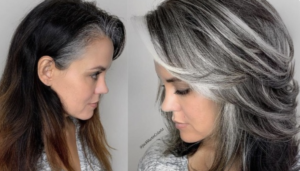
- Transition planning : Before you stop coloring your hair, take the time to plan your transition. Decide which method you want to use to return to your natural hair color—whether that’s gradually cutting off the colored hair or opting for a semi-permanent color that’s closer to your natural shade.
- Root management during transition : During the transition period, it’s normal for your roots to grow out in your natural color. To manage this phase, consider using styling products such as powders to camouflage your roots, or headbands and scarves to hide them.
2. Alternative hairstyles
- Hairstyle ideas to hide roots Hairstyles can be your ally during the transition. Opt for hairstyles that highlight your hair while masking roots, such as buns, braids, ponytails, or voluminous styles that add volume and texture to your hair.
- Accessories for embellishing natural hair in transition : Accessories can add a touch of elegance to your hair during the transition phase. Try headbands, clips, decorative hairpins, turbans, or colorful scarves to accentuate your style while hiding your growing roots.

Store for private customers

Discover our Pro Shop
Tips for maintaining healthy natural hair
Eat a balanced diet
For natural hair To maintain good health, it’s essential to follow a balanced diet. Certain nutrients are particularly important for hair health, including protein, essential fatty acids, vitamins A, C, D, and E, as well as minerals such as zinc, iron, and selenium. Be sure to include foods rich in these nutrients in your diet, such as fatty fish, eggs, colorful fruits and vegetables, legumes, nuts, and seeds.
On the other hand, certain foods can contribute to hair damage and brittleness. Avoid foods rich in refined sugars, saturated fats and artificial additives, which can weaken hair and compromise its health.
5.2 Apply gentle styling techniques
To keep your natural hair healthy, it’s important to limit your use of heat and heated styling tools such as flat irons and hair dryers. Excessive heat can damage the hair cuticle and make your hair more prone to breakage and dryness. Instead, opt for heat-free styling techniques, such as:
- Air-Drying : Let your hair air-dry naturally whenever possible to avoid exposure to the heat from a hair dryer.
- Protective hairstyles Hairstyles: Opt for hairstyles that protect your hair, such as braids, chignons and twists, which reduce manipulation and tension on the hair.
- Heatless styling products Use heat-free styling products such as mousses, gels and texturizing sprays to create styles without the use of heat.
Conclusion
The transition to natural hair offers many benefits for hair health and beauty. By summarizing these benefits, we can better understand the importance of this process and feel encouraged to embrace our natural beauty.
By opting for natural hair, we allow our hair to return to its natural state, avoiding the damage caused by the harsh chemicals found in hair colorants. This transition promotes the health of our hair, making it stronger, shinier and more resistant to future damage.
In conclusion, the transition to natural hair is a journey toward health, beauty, and self-acceptance. By choosing this path, we honor our hair and ourselves, and we commit to caring for our hair’s health and our self-confidence. Let’s embrace our natural beauty and celebrate the diversity of our hair with pride and gratitude.



 EN
 FR
 DE
 IT