


Introduction to styling with a straightener
Understanding the straightener's potential
Going beyond the primary use of hair straighteners
When it comes to hair styling, the straightener is often associated with its primary use of making hair straight and sleek. However, this versatile device can offer much more than just straight hair. The straightener can also be used to create beautiful curls and waves, giving your hair a voluminous look full of movement.
The curl technique with a straightener
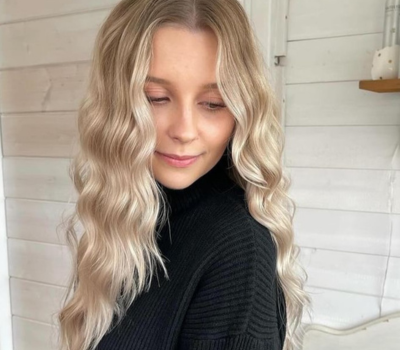
Creating curls with a flat iron requires a specific technique. Unlike traditional curlers, a flat iron allows you to curl your hair while applying even heat, which helps create long-lasting, well-defined curls. This method is particularly useful for those who have trouble using other styling tools. By positioning the straightener close to the roots and rotating it as you work your way down toward the ends, you can create a variety of curl styles, from loose waves to tight curls.
Preparing hair for curling with a straightener
Choosing a Good Hair Straightener
Features of a straightener that can also curl hair
To achieve perfect curls, it's crucial to choose the right straightener. The best features include rounded plates, allowing smooth handling without snagging hair. In addition, a variable temperature setting is essential to adapt the heat to your hair type, avoiding damage.
Types of straighteners for quality curls
- Ceramic straighteners: Distribute heat evenly and are gentle on hair, reducing the risk of overheating.
- Titanium straighteners: Perfect for thick, hard-to-curl hair thanks to constant, powerful heat.
Complete hair preparation
The Importance of Proper Washing and Conditioning
Hair preparation begins with a thorough wash and a quality conditioning treatment. Clean hair means better curl retention. Use a clarifying shampoo to remove any residue from previously used products. Next, apply a moisturizing conditioner to give your hair a soft, supple texture, making curling easier.
Applying a heat-protective product
Before using the hair straightener, it is essential to protect your hair from the high heat generated by the device. A heat protectant creates a barrier between the straightener and your hair, minimizing the risk of damage. Spray the product evenly throughout your hair and let it dry completely before you begin styling.
The process of curling hair with a straightener
Articulating the looping technique
Hair sectioning
To achieve even, well-defined curls, it's essential to prepare your hair by sectioning it properly. Start by dividing your hair into equal sections. Use clips to hold the sections in place while you work on each part. Thin sections will give you better control of the straightener and better heat distribution.
Shaping curls with a straightener
After sectioning your hair, start curling each section individually. Place the straightener about 2 to 3 centimetres from the hairline. Then rotate the straightener 180 degrees while slowly sliding it down the strand. For tighter curls, make several turns with the straightener and pull the hair tighter. For looser curls, turn the straightener less and slide it along the strand more quickly. Repeat this process for each section until all your hair is curled.
Perfecting technique
Tips for long-lasting curls
- Suitable temperature: Use a higher temperature (190-200°C) for thick hair and a lower one (150-170°C) for fine hair to minimize damage while ensuring good curl hold.
- Alternating winding: Vary the direction of your curls (sometimes inward, sometimes outward) for more natural, voluminous curls.
- Leave to cool: Before touching or styling your curls, let them cool completely. This will help set the curl shape.
Solutions to common looping problems
It's possible that, despite your best efforts, some curls just don't hold up the way you'd like them to. Here are some solutions to common problems:
- Curls that don't hold: Be sure to use a light setting product before and after curling. Hairspray or a light mousse can provide extra hold.
- Curly or frizzy hair: Use a smoothing serum before curling to tame frizz and achieve a smoother finish.
- Curls too tight or too loose: Adjust the speed and angle of the straightener. Faster or slower manipulation can make a big difference in the size and hold of your curls.
See also: How to curl short hair?
After-care for straightened hair
Moisturizing and protecting curls
Use of nourishing products
Once your hair is curled, it’s essential to keep it hydrated to prevent dryness or frizz. Curls tend to dry out faster than straight hair, which means they require special care. Apply a serum or hair oil to lock in moisture and add shine. Choose products containing natural ingredients like argan oil, shea butter, or coconut oil, all of which are known for their moisturizing and nourishing properties.
UV protection
Curly hair, like all hair types, can be damaged by exposure to UV rays. To protect your beautiful curls, use hair products with UV filters. These products will protect your hair from sun damage, prevent split ends, and keep your curls shiny and healthy.
Curl shape retention
Sleep-friendly styling techniques
Keeping your curls intact overnight can be a challenge, but with a few simple techniques, you can keep your curls fresh and bouncy. Use a satin bonnet or a satin pillowcase to reduce friction while you sleep, which will help prevent frizz and damage. You can also try braiding your hair loosely or gathering it into a loose “pineapple” on top of your head to maintain the shape of your curls.
Morning touch-ups
In the morning, you can revive your curls by using a light water spray or a mixture of water and conditioner. Spray lightly and scrunch your hair to bring the curls back to life. If some curls have gone a little limp overnight, you can quickly rework them with your flat iron using the same technique you used to curl them initially, being careful not to overheat the strands.
Specific styling products
Use of foams and gels
To keep your curls intact all day long, use styling products such as mousses or gels specifically designed for curly hair. These products help define curls and provide long-lasting hold. Hair mousse is ideal for a more natural, voluminous look, while gel can offer more fixed, firm definition.
Avoid heavy products
Avoid using products that weigh down your hair, such as waxes or thick pomades. These products can make your curls limp and unattractive. Instead, opt for lightweight formulas that don’t weigh your hair down, and avoid insoluble silicones and sulfates. This will help your curls stay bouncy and full of life.
Styling and finishing
Use a diffuser for drying
If you need to dry your hair after curling it, we recommend using a hair dryer diffuser. This type of attachment allows you to dry your hair without disrupting the shape of the curls. Use the diffuser on a low heat setting and low speed for best results. This helps define the curls while minimizing frizz.
Finishing with light sprays
To finalize your style, consider using a light spray or flexible hairspray. These products help hold curls in place without making them stiff. They also add natural shine and may contain additional ingredients to protect your hair from external aggressors. However, be sure not to overload your hair to avoid a crunchy, artificial look.
Regular interviews
Weekly maintenance routine
After-care for straightened hair
Moisturizing and protecting curls
Use of nourishing products
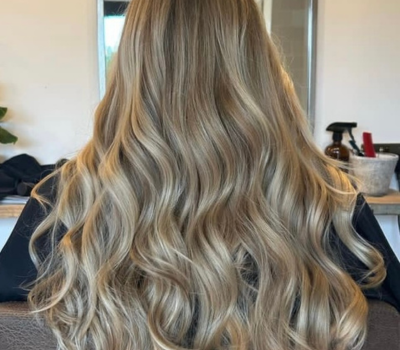
Once your hair is curled, it’s essential to keep it hydrated to prevent dryness or frizz. Curls tend to dry out faster than straight hair, which requires special care. Apply a serum or hair oil to lock in moisture and add shine. Choose products containing natural ingredients such as argan oil, shea butter, or coconut oil, all of which are known for their moisturizing and nourishing properties.
UV protection
Curly hair, like all hair types, can be damaged by exposure to UV rays. To protect your beautiful curls, use hair products with UV filters. These products will protect your hair from sun damage, prevent split ends, and keep your curls shiny and healthy.
Curl shape retention
Sleep-friendly styling techniques
Keeping your curls intact overnight can be a challenge, but with a few simple techniques, you can keep your curls fresh and bouncy. Use a satin bonnet or a satin pillowcase to reduce friction while you sleep, which will help prevent frizz and damage. You can also try braiding your hair loosely or gathering it into a loose “pineapple” on top of your head to maintain the shape of your curls.
Morning touch-ups
In the morning, you can revive your curls by using a light water spray or a mixture of water and conditioner. Spray lightly and scrunch your hair to bring the curls back to life. If some curls have gone a little limp overnight, you can quickly rework them with your flat iron using the same technique you used to curl them initially, being careful not to overheat the strands.
Specific styling products
Use of foams and gels
To keep your curls intact all day long, use styling products such as mousses or gels specifically designed for curly hair. These products help define curls and provide long-lasting hold. Hair mousse is ideal for a more natural, voluminous look, while gel can offer more fixed, firm definition.
Avoid heavy products
Avoid using products that weigh down your hair, such as waxes or thick pomades. These products can make your curls limp and unattractive. Instead, opt for lightweight formulas that don’t weigh your hair down, and avoid insoluble silicones and sulfates. This will help your curls stay bouncy and full of life.
FAQ
How do I choose the right straightener for my curly hair?
Choose a straightener with rounded plates and variable temperature settings to better protect your hair and facilitate the curling process.
Why don't my curls last long?
Curls may not hold because you’re not using enough styling product or because you’re using the wrong temperature setting. Be sure to use a light-hold hairspray and adjust the straightener’s temperature setting based on your hair type.
How many times a week can I curl my hair without damaging it?
It's best not to curl your hair more than two or three times a week. Always use a heat protector to minimize damage.



 EN
 FR
 DE
 IT