


Understanding anti-hair loss shampoo
What is an anti-hair loss shampoo?
A anti-hair loss shampoo is specially formulated to help reduce and prevent hair loss. It contains active ingredients designed to strengthen hair follicles, improve scalp health and stimulate hair growth.
Key ingredients in an anti-hair loss shampoo
- Biotin: also known as vitamin B7, promotes healthy hair and scalp.
- Ketoconazole: an antifungal agent that helps treat scalp infections that can lead to hair loss.
- Caffeine: stimulates hair follicles, promoting hair growth.
- Zinc Pyrithione: helps prevent dandruff and reduce scalp irritation.
How does an anti-hair loss shampoo work?
How a anti-hair loss shampoo is based on the combination of its active ingredients. These components work to deeply cleanse the scalp, free clogged hair follicles and supply hair with essential nutrients. In addition, they stimulate blood circulation to the scalp, promoting healthier, stronger hair growth.
When and why use an anti-hair loss shampoo?
Using an anti-hair-loss shampoo at the right time and for the right reasons can make a huge difference to the health of your hair. Here's what you need to know.
Recognizing the first signs of hair loss
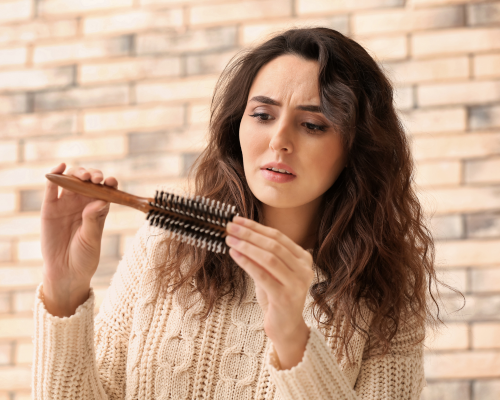
- Excessive hair loss: If you notice that you're losing more hair than usual, it could be an early sign of hair loss.
- Hair thinning: Reduced hair density, especially on the top of the head, can indicate hair loss.
- Brittle hair: Hair that breaks easily can be a sign that your hair is weak and prone to falling out.
Common causes of hair loss
- Genetic factors: Hereditary baldness is a major cause of hair loss in both men and women.
- Hormonal imbalances: Hormonal changes, such as those caused by pregnancy, menopause or thyroid disease, can lead to hair loss.
- Stress and anxiety: Chronic stress and anxiety can cause temporary hair loss known as telogen effluvium.
- Poor power supply: A diet lacking in essential nutrients such as vitamins and minerals can also contribute to hair loss.
“`
How to choose the right anti-hair loss shampoo
Know your hair type
To select the anti-hair loss shampoo it's crucial to understand your hair's specific needs. Different hair types require different care, and opting for the wrong product may not produce the desired results, or may even make the situation worse.
Anti-hair-loss shampoo for dry hair
- Hydration: A shampoo for dry hair should contain moisturizing ingredients such as argan oil, shea butter, or aloe vera to nourish and revitalize the hair.
- Softness: Dry hair is often fragile, so it's important to choose a gentle shampoo that cleanses without stripping the scalp's natural oils.
- Protein: Repairing agents such as silk or wheat proteins can help strengthen hair and prevent breakage.
Anti-hair loss shampoo for oily hair
- Sebum regulation: Oily hair benefits from shampoos containing ingredients such as zinc pyrithione or clay, which help regulate sebum production.
- Purification: A good shampoo for oily hair should also have purifying properties to cleanse deeply without irritating the scalp.
- Balance: It is essential to choose products that restore the scalp’s balance without drying it out, because an overly dry scalp can produce even more sebum as a compensatory response.
Taking into account specific needs
In addition to hair type, other personal factors must also be taken into account when choosing the ideal anti-hair-loss shampoo. These vary depending on gender, hair condition, and the cosmetic treatments you use.
Anti-hair loss shampoo for men vs. women
- Formulation: Products for men and women may contain different ingredients. For example, men may benefit from shampoos containing caffeine and biotin to strengthen hair follicles, while women may find gains in products enriched with vitamins and antioxidants specific to hormonal needs.
- Fragrance: Preference for specific scents can also play a role. Men generally prefer fresh, woody fragrances, while women lean more towards floral scents.
- Capillary needs: Men often have specific needs related to androgenetic baldness, while women may face hormonal changes influencing the health of their hair.
Anti-hair-loss shampoo for color-treated hair
- Color protection: Colored hair requires special care to maintain its vibrant color. Choose shampoos specifically formulated to protect color pigments while treating hair loss.
- Feeding: Hair coloring can often damage the hair, making it essential to use products rich in moisturizing and nourishing ingredients, such as natural oils and ceramides.
- Sulfate-free: Sulfate-free shampoos are recommended because they are less aggressive and help retain color longer, while being gentle on the scalp.
“`
See also: All the benefits of aloe vera for your hair
Correct application of anti-hair loss shampoo
Preparing hair for shampooing
Preparing the hair before applying the anti-hair loss shampoo is an essential step in maximizing efficacy and ensuring optimal penetration of the active ingredients.
When and how to brush hair before shampooing
- Dry brushing: It is recommended that you brush your hair before wetting it. This helps detangle knots and remove any residue from styling products or accumulated dirt.
- Choose the right comb: Use a wide-tooth comb to avoid pulling hair and minimize breakage.
- Stimulate the scalp: Gentle brushing of the scalp stimulates blood circulation, which is beneficial for hair growth.
The Importance of Lukewarm Water
- The ideal temperature: Using lukewarm water instead of hot water helps slightly open the hair cuticles without drying them out, allowing the shampoo's active ingredients to penetrate more effectively.
- Preserve moisture: Warm water is gentler on the scalp and hair than hot water, which helps preserve natural moisture.
- Avoid thermal shock: Sudden changes in temperature can damage your hair; therefore, it is best to keep the water at a constant, moderate temperature.
Steps for Applying Shampoo
Correctly apply anti-hair loss shampoo is the key step to taking full advantage of its benefits. Here's the best way to do it.
Moisten hair completely
- Wet thoroughly: Before applying the shampoo, make sure your hair is completely wet to help the product spread evenly.
- Preparation time: Let the water soak into your hair for at least one minute to help the shampoo absorb better.
Apply the right amount of shampoo
- Appropriate quantity: Use about a walnut-sized amount of shampoo for short to medium-length hair, or more if you have long hair, to cover your entire head of hair.
- Uniform distribution: Rub the shampoo between your hands before applying it to your hair to ensure even coverage.
Massage the scalp
- Circular movements: Gently massage your scalp with your fingertips using circular motions to stimulate blood circulation and promote the absorption of the active ingredients.
- Aerate roots: Focus mainly on the scalp and hair roots, as that is where most of the benefits of the anti-hair loss shampoo are felt.
- Duration of massage: An effective massage should last between 2 and 3 minutes to allow the ingredients to penetrate properly.
Leave the shampoo on
- Laying time: Leave the shampoo to work for a few minutes (around 2-3 minutes) before rinsing. This allows the active ingredients to penetrate the scalp and hair follicles.
- Optimum results: Respecting this pause time is crucial to maximizing the benefits of anti-hair loss shampoo and strengthening hair.
Rinse thoroughly
- Thorough rinsing: Be sure to rinse the shampoo thoroughly with lukewarm water to remove any residue that might

Additional Tips for Maximizing the Effectiveness of Anti-Hair Loss Shampoo
Use appropriate conditioners and hair masks
The use of a conditioner or a suitable hair mask can enhance the effects of the anti-hair-loss shampoo. These products provide extra moisture, nourish the hair, and reduce the risk of breakage.
Recommended conditioners
- Keratin conditioner: Keratin helps strengthen hair structure, reducing breakage.
- Moisturizing conditioner: Those containing ingredients such as argan oil or coconut oil to deeply moisturize dry hair.
- Volumizing conditioner: Lightweight formulas that add volume without weighing hair down.
Recommended hair masks
- Aloe Vera Moisturizing Mask: Provides intense hydration and soothes the scalp.
- Protein repair mask: Strengthens damaged, brittle hair.
- Revitalizing mask with biotin: Stimulates hair growth and strengthens follicles.
Adopt a balanced diet
A diet rich in essential nutrients can significantly improve the health of your hair. Incorporating certain foods into your daily diet can help prevent hair loss.
Foods good for hair
- Protein: Hair is made up mainly of keratin, a protein. Eat lean protein sources such as chicken, fish and legumes.
- Vitamins and minerals: Vitamins A, C and E, as well as zinc and iron, are crucial for healthy hair. Include fruits, vegetables, nuts and seeds in your diet.
- Omega-3: The omega-3 fatty acids found in fish, walnuts and flaxseed help maintain a healthy scalp.
Avoid aggressive styling products
Chemical styling products and high-temperature styling tools can damage hair and lead to increased hair loss.
Products to avoid
- Alcohol-based hairsprays and gels: These products can dry out hair and scalp.
- Bleaches and chemical colorants: Opt for ammonia-free colorants and gentler alternatives.
- Heated tools: Limit your use of flat irons, curling irons, and high-temperature hair dryers. Always use a heat-protectant spray.
Frequently asked questions (FAQ)
How many times a week should I use an anti-hair loss shampoo?
The recommended frequency of use varies by product, but generally, it is recommended to use it 2 to 3 times a week for optimal results.
Can I use other shampoos in rotation with my anti-hair loss shampoo?
Yes, you can alternate with a mild or moisturizing shampoo to avoid irritating your scalp.
How long does it take to see results with an anti-hair loss shampoo?
Results may vary, but most users notice improvements after 3 to 6 months of regular use.
Can I use an anti-hair loss shampoo if I have a sensitive scalp?
Yes, but opt for a gentle, sulfate-free, hypoallergenic formula to avoid irritation.


 EN
 FR
 DE
 IT

