


How can you dye your hair without damaging it?
Understanding the Risks Associated with Hair Dyeing
Very often, the lack of information about the ingredients in certain hair-coloring products and their long-term effects exposes us to unexpected risks.Harsh chemical components
Hair coloring involves a series of chemical reactions. It is therefore important to understand the ingredients in the products we use.Ammonia and hydrogen peroxide
Ammonia is a common ingredient in hair dye products. It works by opening the hair cuticles to allow the dye to penetrate. Peroxide, on the other hand, bleaches the hair by breaking down melanin pigments. Although these ingredients are effective, they can damage your hair’s structure and make it dry and brittle.PPD and Other Harmful Ingredients
Another chemical found in many hair dyes is PPD (p-phenylenediamine). Although its main function is to help the dye adhere better, this substance is known for causing allergic reactions.The Effects of the Hair-Coloring Process on the Hair Fiber
In addition to the chemical ingredients, the coloring process itself can affect the health of your hair.Cuticle Abnormality
The cuticle, which is the outer layer of the hair, is disrupted during the coloring process. This allows the color to penetrate, but it also leaves the hair fragile and vulnerable to external damage.Hair Dehydration and Weakening
Finally, the harsh hair-coloring process dehydrates your hair and can make it brittle and prone to breakage over time. That’s why it’s important to use the right hair care products. Understanding these risks is the first step toward safer hair coloring. In the rest of this article, we’ll explore less harsh coloring methods for your hair.Choose less harsh hair-coloring methods
To keep your hair healthy, it's essential to choose less harsh hair coloring methods. Let's take a look at your options together.Opt for ammonia-free colorants
As we saw earlier, ammonia helps open the hair cuticles, which in turn causes them to lose moisture. Fortunately, there are now ammonia-free alternatives available.Advantages and disadvantages
The main advantage of ammonia-free hair color is, first and foremost, that it’s gentler on your hair. With a formula based on natural oils, these products help maintain the integrity of the cuticle and preserve your hair’s natural moisture. In terms of color, the result is luminous and natural. However, the main drawback of these products is that the color doesn’t last as long as that of ammonia-based hair dyes.Comparison of Available Brands and Products
Some of the ammonia-free hair color brands include: Garnier Olia, L’Oréal Inoa, Schwarzkopf Essensity, and others. It’s important to carefully read the ingredients of the product you choose and perform an allergy test before using it.Exploring Natural Alternatives
If you prefer an even more natural approach, there are several plant-based hair coloring methods available. These methods have the advantage of containing no chemical ingredients, while still adding shine to your hair.Henna and Other Dye Plants
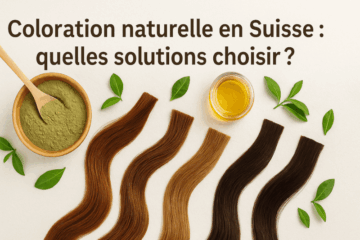
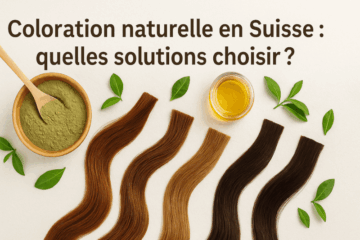
Henna is a plant known for its ability to dye hair, strengthen it, and make it shinier. Depending on your natural hair color and how long you leave it on, you’ll achieve warm shades ranging from red to brown. You might also want to consider other plants such as walnut husks, chamomile, rhubarb, or sage, depending on the color you’re looking for.Homemade Recipes for Natural Hair Dyes
For a gentler, more personalized result, why not try coloring your hair yourself using simple ingredients such as lemon to lighten your hair, coffee for a darker shade, or honey for golden highlights? Be sure to test the mixture on a small strand of hair before you begin. To wrap up the second part of this article, it’s important to note that for a less damaging coloring experience in the long run, it’s recommended to choose the right hair color product based on your hair type—and don’t forget to nourish and care for your hair before, during, and after coloring. Ideally, if possible, opt for natural alternatives that are gentler and more gentle on the hair shaft.Preparing Your Hair Before Coloring
Changing your hair color is a delicate process that requires proper care before, during, and after coloring. The success of the coloring and the health of your hair depend on it. In this section, we’ll provide you with some key tips on how to prepare your hair before coloring.Hydration and Pre-Treatment Care
It's crucial to moisturize your hair before coloring it. The chemicals in hair dye can dehydrate your hair, making it dry and brittle.Nourishing Masks
The first step in this treatment is to apply a nourishing hair mask made from natural ingredients such as olive oil, coconut oil, avocado, or shea butter. These ingredients penetrate deep into the hair shaft, nourishing and repairing it.Protective Hair Oils
Hair oils are also essential before coloring your hair. Simply apply a small amount of oil to your hair a few hours before coloring. The oils form a protective barrier around the hair shaft, which reduces damage caused by the coloring process.Proper Washing Routine
Also, don't forget to adjust your shampooing routine before coloring your hair. Most hairstylists recommend not washing your hair right before coloring it.Use of mild shampoos
Use gentle shampoos that are free of sulfates, parabens, and silicones, which can strip your hair of its natural oils. These gentle shampoos preserve your hair's natural oils and keep your scalp healthy before coloring.Avoid washing your hair right before coloring it
It’s best to avoid washing your hair for 24 to 48 hours before coloring it. In fact, your hair’s natural oils help protect your scalp during the coloring process. In short, proper hair preparation is an often-overlooked aspect of hair coloring. By taking care of your hair before coloring, you increase the likelihood that the color will work effectively, while minimizing potential damage. So, before you dive headfirst into coloring your hair, don’t forget to take the time to care for it first.Why choose Natulique Suisse for top-of-the-range natural hair color?
It’s important to choose the right organic hair dye, because not only does it affect the final result of your color, but it also impacts the health of your hair and scalp. You might be wondering, “Which brand of organic hair dye should I choose?” Look no further. Introducing Natulique Switzerland, a brand renowned for the quality of its organic hair care products, its expertise in professional natural hair coloring, the quality of its salon services and products, and the personalized attention it provides to each client.
Criteria for selecting a reliable organic hair color
When choosing an organic hair dye, there are several factors you should consider. These include the customer experience at the salon or at home, customer reviews, the brand’s reputation, and the quality of the natural hair products, the formula—free of ammonia and harsh chemicals—safety for the scalp, availability in Switzerland, and the professional expertise of partner hairstylists.
Mistakes to avoid
When buying organic hair dye products, there are certain mistakes you should avoid. For example, choosing a so-called “organic” hair dye without certification, relying solely on marketing photos, buying products without professional advice, or being tempted by an unusually low price for a natural hair dye. Also, be wary of brands that lack transparency about the ingredients in their products.
Signs of high-end organic coloring
So what are the hallmarks of a high-end organic hair color product? You should look for brands that offer a personalized hair analysis, whose products deliver natural and long-lasting results, that are certified and health-conscious, that are completely transparent about their product ingredients, and that provide personalized support and a premium salon experience. Natulique Switzerland is one of those brands. With their organic hair care, they offer an authentic experience, personalized service, top-of-the-line amenities, and professional expertise. It’s truly a trusted destination in Switzerland for a premium solution.
Frequently asked questions
Q: What is organic hair dye?
A: Organic hair dye is a type of hair dye that uses natural ingredients and does not contain harsh chemicals such as ammonia. It is gentler on the hair and scalp and is a good option for those with health or environmental concerns.
Q: What is Natulique Suisse?
A: Natulique Switzerland is a brand renowned for the quality of its organic hair care products and its expertise in professional natural hair coloring. They offer a wide variety of natural hair care products available in Switzerland.
Q: What are the benefits of natural hair care products?
A: Natural hair care products are generally gentler on the hair and scalp. They do not contain harsh chemicals that can cause damage or allergic reactions. In addition, they are often more environmentally friendly, as they do not contain synthetic ingredients that can pollute the environment.
Q: Where can I buy Natulique Suisse products?
A: You can purchase Natulique Suisse products directly from their website. They also have a network of partner salons throughout Switzerland where you can buy their products and take advantage of their services.
Q: Why should I—


 EN
EN  FR
FR  DE
DE  IT
IT