


Combating hair loss is a major concern for many individuals, men and women alike, who are desperately seeking solutions to regain dense, healthy hair. Understanding and adopting an effective hair routine is essential to addressing this problem in a targeted way. But before we can take action, it's vital to identify the underlying causes of hair loss, so that we can adopt appropriate strategies. Here are a few tips to help you pinpoint the reasons for hair loss.
Identifying the cause of hair loss
Analysis of genetic factors
Heredity of hair loss
Genetics play a significant role in the likelihood of hair loss. Studies show that androgenetic alopecia, known as hereditary baldness, is a frequent cause of hair loss in both men and women. This type of hair loss is often recounted in family history, implying that if a close relative suffers from baldness, the probability increases for direct descendants.
Genetic predisposition
Beyond heredity, some individuals have genetic predispositions that influence hair follicle structure, the hair growth cycle or hair sensitivity to hormones. These factors can all increase the risk of hair loss by accelerating the hair's life cycle or making it thinner and more fragile.
Impact of environmental factors
Stress and hair loss
Stress is a major environmental factor contributing to hair loss. Stressful events can disrupt the hair growth cycle, leading to increased hair loss known as telogen effluvium. Prolonged stress can also intensify scalp problems such as irritation, leading to more pronounced hair loss.
Effects of diet and lifestyle
An unbalanced diet or nutritional deficiencies in essential vitamins and minerals can impair hair health. For example, deficiencies in iron, vitamin D or biotin are often associated with increased hair loss. In addition, unhealthy lifestyle habits such as smoking, excessive alcoholism and lack of physical activity can indirectly affect hair quality and density, by impacting hormonal balance and blood circulation to the scalp.
Identifying the precise cause of hair loss is a crucial step in developing an appropriate hair care strategy. This in-depth understanding helps to target the necessary interventions, whether in the form of medical treatment, lifestyle changes or the adoption of appropriate hair care products, to curb or even reverse the natural trend of hair loss.
Choosing the right hair care products
Use of anti-hair loss shampoos and conditioners
Choosing the right shampoo
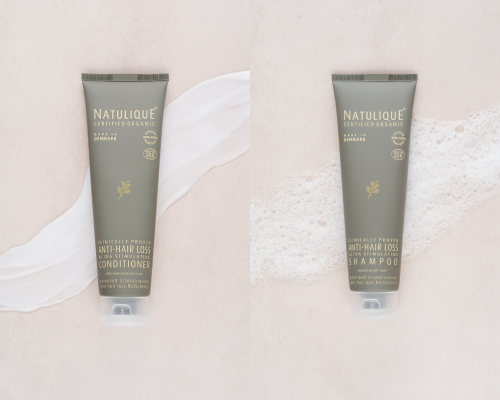
Selecting the right shampoo is crucial in the fight against hair loss. Shampoos designed to prevent hair loss often contain active ingredients such as biotin, caffeine or zinc pyrithione. These components strengthen hair follicles and stimulate hair growth by promoting scalp microcirculation. When choosing a shampoo, opt for those specifically labeled anti-hair loss, sulfate and paraben-free, as they offer gentle cleansing without aggravating hair fragility.
Importance of conditioner
To complement the effect of shampoo, the use of conditioner is essential. A good anti-hair-loss conditioner moisturizes the scalp and improves hair texture, while preventing breakage. Look for products containing keratin proteins, which help repair damaged hair and strengthen its internal structure. In addition, a conditioner rich in vitamins E and B5 provides essential nutrients for better hair elasticity and resilience, reducing the risk of breakage.
Use of additional hair care products
Hair masks and anti-hair loss treatments
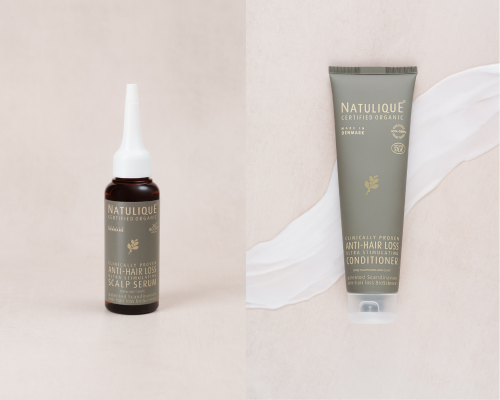
Nourishing hair masks and specific treatments play a supportive role in reducing hair loss. These products are often infused with natural oils such as castor oil or argan oil, which are renowned for their ability to strengthen and deeply moisturize hair. Regular application of a hair mask, once or twice a week, helps replenish lost nutrients and promotes the rebuilding of damaged hair. In addition, it's a good idea to incorporate leave-in treatments that protect and stimulate the scalp, promoting the regeneration of hair cells.
Dietary supplements for healthy hair
In addition to topical products, supporting hair health from within with dietary supplements can be beneficial. Supplements such as biotin, zinc, omega-3 and B vitamins strengthen hair's natural resistance and encourage hair growth. Make sure your diet is rich in protein, iron and vitamins, or consider taking supplements to fill any gaps. However, always consult a healthcare professional before starting any supplementation regimen to avoid unwanted interactions or overdoses.
Choosing the right hair care products is essential to preventing and combating hair loss. Each type of product, from shampoo to dietary supplements, plays a crucial role in improving overall hair health. Using these products consistently and appropriately, according to your hair type and individual needs, is an important step towards reducing hair loss and maintaining strong, healthy hair.
See also: What routine should you adopt for well-defined curls?
Adopt a healthy hair routine
Regular cleaning and maintenance
Frequency of hair washing
The frequency of hair washing should be adapted to each scalp type and daily activity. Washing too often can deprive the scalp of its essential natural oils, leading to brittle hair and increased hair loss. It's generally advisable to wash your hair two or three times a week, but this may vary if you have a particularly oily or dry scalp. Using lukewarm rather than hot water helps preserve the natural sebum balance.
Hair brushing techniques
Proper brushing is crucial to maintaining healthy hair. Choose brushes with natural bristles to reduce breakage and stimulate blood circulation to the scalp. Start by detangling the ends before gradually working your way up to the roots, to minimize tension and breakage. It's also a good idea to brush hair when it's dry, to prevent damage to the more vulnerable wet strands.
Integrate healthy hair habits
Hair protection
Protecting your hair from external aggression is fundamental to maintaining its integrity. Avoid frequent use of heated tools such as hair dryers, straightening irons or curling irons. If you must use them, apply a thermal protector beforehand to limit damage. When out in the sun, wear a hat or use a spray with UV protection to prevent dryness and discoloration.
The choice of hair accessories is also important; avoid tight elastics that can break hair, and opt for soft ties like fabric scrunchies. At night, opt for a satin or silk pillowcase to reduce friction and keep hair smooth and tangle-free.
In addition, massage your scalp regularly to stimulate blood circulation and strengthen hair follicles. This simple habit can help reduce hair loss and promote healthier growth. We also recommend limiting aggressive chemical treatments such as frequent coloring or straightening, which can damage the hair cuticle and weaken its structure.
Adopting a healthy hair routine means adopting gestures and habits that respect the nature and physiognomy of your hair. Listening to your hair's needs and treating it with care by following these steps helps minimize hair loss and improve its appearance and overall health. By gradually integrating these practices into your daily routine, you'll be well on your way to maintaining strong, radiant hair.
Avoiding factors that aggravate hair loss
Reduce chemical treatments
Limiting the use of colorants
One way to reduce hair loss is to limit chemical treatments, such as frequent coloring. The harsh chemicals in dyes can damage the hair cuticle, leading to brittleness and increased hair loss. Opt for ammonia-free colorants and reduce their frequency to minimize damage. Alternatively, consider using vegetable-based colorants, which are less aggressive on your hair.
Warn about the dangers of perms and straighteners
Perming and straightening expose your hair to powerful chemicals that alter its structure. These treatments can weaken hair, leading to breakage and hair loss. If possible, avoid these processes or limit them to special occasions. Look for gentler alternatives or treatments without the use of harsh chemicals.
Minimizing exposure to heat
Reduce the use of heating appliances
Excessive use of heated appliances such as straighteners, hair dryers and curling irons can dry out and damage your hair, promoting hair loss. Opt for heat-free styles whenever possible and let your hair dry naturally. If you must use heated appliances, be sure to apply a thermal protector to create a barrier between the heat and your hair.
Solutions for heat-free styling
To limit the use of heat, experiment with heat-free styling techniques. Consider methods such as non-heated braids, buns and curlers. These styles not only protect your hair but also add variety and texture to your look.
Managing psychological influences
Dealing with emotional stress
Mental and emotional stress can contribute to hair loss. Practicing stress management techniques, such as meditation or yoga, can help minimize negative impacts. Take the time to relax every day to improve not only your general well-being, but also the health of your hair.
Consult an expert if necessary
If you're feeling significant emotional pressure related to hair loss, consider consulting a specialist. They can help you identify the underlying factors contributing to the situation and provide you with suitable solutions.
FAQ
- Q: What is the ideal frequency of washing to prevent hair loss?
A: Two to three times a week, depending on your scalp type.
- Q: Can hair accessories affect hair loss?
A: Yes, avoid tight elastics and prefer soft ties like fabric scrunchies.
- Q: Is it important to use a thermal protector?
A: Yes, it limits the damage caused by heating appliances.
- Q: Should you consult a doctor about hair loss?
A: Yes, if the fall is persistent and without apparent cause.
- Q: Are dietary supplements effective for healthy hair?
A: They can be beneficial, but consult a professional before starting a supplementation regimen.




 EN
EN  FR
FR  DE
DE  IT
IT